

KMbalancer II+ Vibration Analyzer And On-site Dynamic Balancer Helps Changzhou Kuanghong Precision Machinery Co., Ltd. Complete High-speed Motor Dynamic Balancing Services!
During the operation of high-speed mechanical equipment, poor dynamic balance is a common cause of excessive vibration, bearing wear and even machine failure. Changzhou Kuanghong Precision Machinery Co., LTD., as a professional enterprise in the field of precision machinery manufacturing, has strict requirements for the balance of rotating parts in the high-speed spindles of its production equipment. When the mass distribution of the main shaft is uneven, high-speed rotation will generate centrifugal force, causing abnormal vibration of the machine. This not only affects the processing accuracy but also shortens the service life of key components.
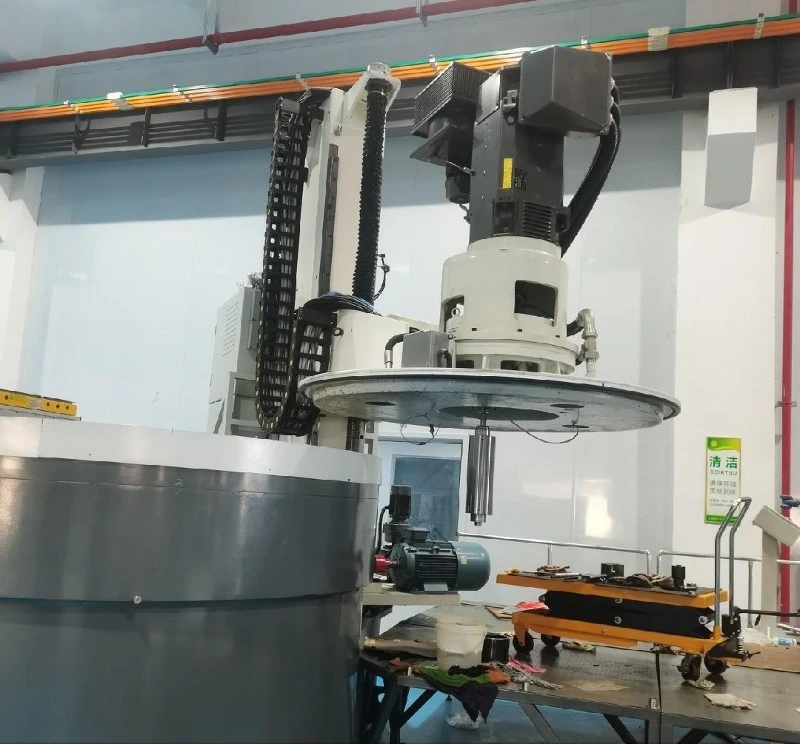
KM engineer brought the KMbalancer II+ vibration analyzer and on-site dynamic balancer to this service, specifically to use professional dynamic balancing calibration technology to elevate the spindle's dynamic balance level to the internationally recognized G1 standard (the highest accuracy level in ISO1940-1), thereby eliminating potential vibration hazards and ensuring long-term stable operation of the machine. This service utilizes an on-site dynamic calibration mode, completing the entire measurement-balancing-verification process without disassembling the spindle, significantly improving maintenance efficiency.
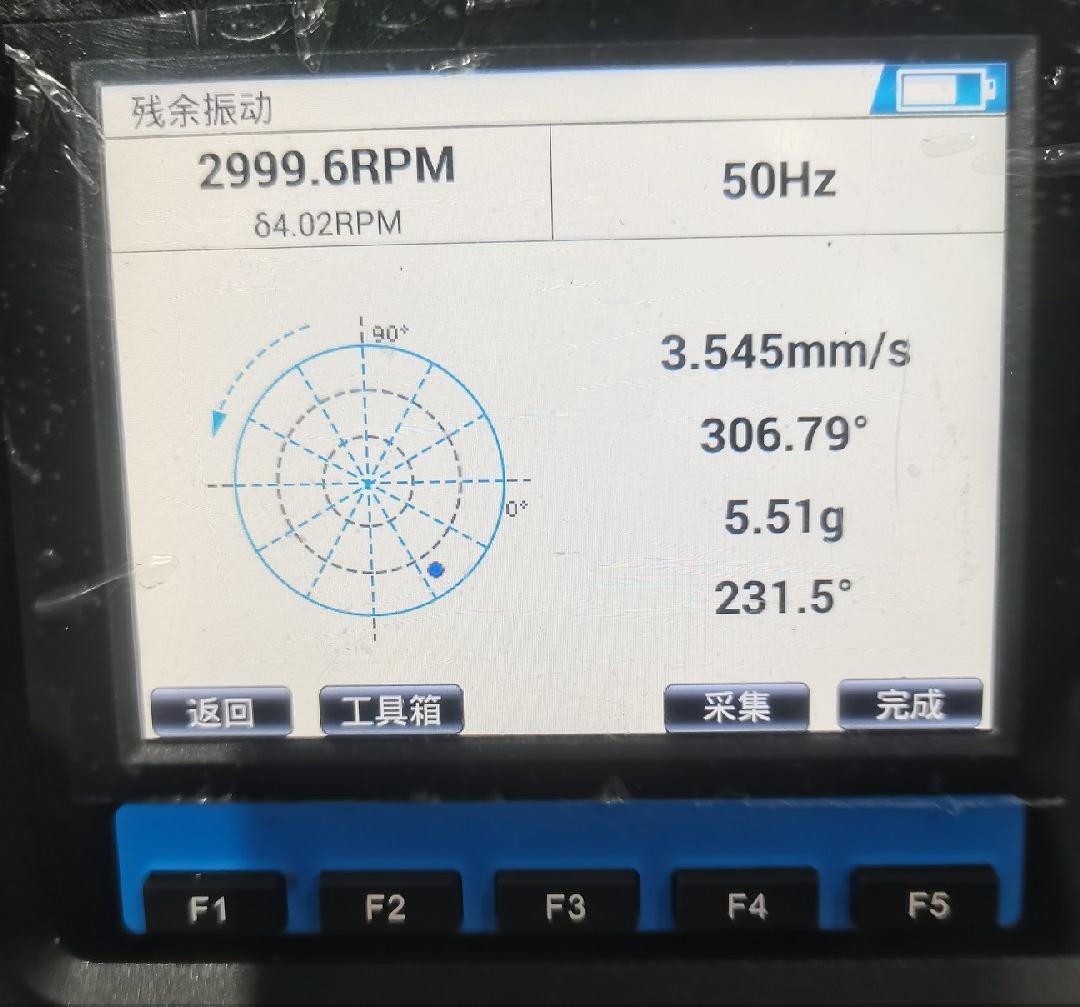
This company is a military-industrial enterprise, primarily producing parts for the aviation industry. Their high-speed motor, developed by Changzhou Kuanghong Precision Machinery Co., Ltd., was unable to increase its speed during operation due to excessive vibration after installation. They commissioned our company to perform dynamic balancing to achieve high-speed operation. The entire balancing process involved balancing at two different speeds, using the worm deweighting method. After running the motor at 3000 rpm, vibration reached 6.5 mm/s. They decided to perform dynamic balancing at 3000 rpm, reducing the vibration to 3 mm/s. The motor was then increased to the maximum speed for further dynamic balancing, ultimately reducing the residual imbalance to within the ISO 1940 standard. Furthermore, a 50 Hz amplitude was observed during the increase in speed, indicating an electrical issue caused by the power supply frequency. The customer was informed that the motor would be inspected when necessary.


